


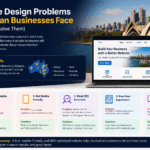



The Complete Guide for Businesses in Australia, New Zealand, Canada, USA, UK & India
Introduction : Choosing the right web development agency is one of the most important decisions a business can make in today’s digital world. Your website is often the first interaction potential customers have with your brand, and first impressions matter. Studies show that more than 75% of people judge a company’s credibility based on its website design and performance. A slow, outdated, or poorly designed website can instantly reduce trust and cause potential customers to leave. For businesses operating in Australia, New Zealand, Canada, the United States, the United Kingdom, and India, competition online is intense. Your website must not only look professional but also load quickly, rank well on search engines and convert visitors into leads or customers. However, choosing the right web development partner can be difficult. The market is full of freelancers, boutique agencies and large enterprise development firms. Pricing can vary dramatically depending on the experience of the agency and the complexity of the project.
Without a clear evaluation framework, businesses often hire the wrong agency and end up wasting time, money, and growth opportunities.
This guide will help you understand how to evaluate agencies and choose the right partner for your business in 2026.
What Does a Web Development Agency Actually Do?
Many business owners believe web development agencies simply design and build websites. In reality, professional agencies offer much more than basic website creation. A modern web development agency focuses on building digital platforms that support business growth. This includes designing user-friendly experiences, integrating marketing tools, optimizing website performance, and ensuring strong security standards. Core services typically include website design, front-end and back-end development, responsive mobile-friendly design, database architecture, API integrations, and content management systems.
Advanced agencies may also provide additional services such as search engine optimization (SEO), e-commerce development,
digital marketing integrations, website maintenance, and custom web applications.
The key difference between hiring a freelancer and working with an agency is strategic thinking. A freelancer might build a website. A professional agency builds a digital platform designed to generate traffic, leads, and long-term business growth.
Why Choosing the Right Agency Matters
A high-quality website can transform a business. It can increase credibility, generate leads, and support long-term growth. A professionally built website can improve search engine rankings, increase customer trust, and enhance the overall user experience. On the other hand, a poorly built website can create major problems for your business.
Common issues with poorly developed websites include slow loading speeds, security vulnerabilities,
poor mobile responsiveness, and difficulty managing website content.
These problems can damage your brand reputation and reduce the effectiveness of your marketing efforts. Choosing the right web development agency ensures your website is built using modern technologies, optimized for search engines, and designed to support your business goals.
The 7 Critical Criteria for Choosing a Web Development Agency
1. Portfolio and Industry Experience
The first step in evaluating a web development agency is reviewing its portfolio. A portfolio provides insight into the agency’s design quality, technical capability, and industry experience. Look for examples of projects similar to your business. If an agency has experience building websites for companies in your industry, they are more likely to understand your challenges and customer expectations.
2. Technical Expertise and Modern Technology Stack
Technology changes quickly, so it is important to choose an agency that uses modern tools and frameworks. Popular technologies include React, Vue, Next.js, Laravel, Node.js, and ASP.NET. Agencies should also use modern development practices such as version control, automated deployment, cloud hosting and strong cybersecurity protocols.
3. Communication and Project Management
Successful projects require strong communication. A professional agency should have a clear project management process with defined milestones and timelines. Ask how often you will receive updates and who your main point of contact will be.
4. Website Support and Maintenance
Launching a website is only the beginning. Websites require regular updates, backups, security monitoring, and performance optimization.
A reliable agency should offer long-term maintenance plans and technical support.
5. Transparent Pricing and Clear Deliverables
Pricing transparency is critical. Your proposal should clearly outline the project scope, deliverables, timeline, and payment structure.
Avoid agencies that provide vague estimates without clear documentation.
6. Client Reviews and Social Proof
Check independent review platforms such as Google Reviews, Clutch, and GoodFirms. Client testimonials provide valuable insights into an agency’s reliability and service quality.
7. Cultural Fit and Partnership Mindset
The best web development agencies act as strategic partners .They focus on understanding your business goals and helping you achieve long-term success.
Common Mistakes Businesses Make
Choosing Based Only on Price
Many businesses choose the cheapest option available. However, a low-cost website that fails to generate leads often becomes more expensive in the long run.
Focusing Only on Visual Design
A visually attractive website is important, but performance, usability, and SEO optimization are equally critical.
Skipping the Discovery phase
Professional agencies spend time understanding your business, audience, and competitors before starting development.
Ignoring SEO during development
SEO should be integrated into website architecture from the beginning to ensure better search engine visibility.
Questions You Should Ask Before Hiring:
Before hiring a web development agency, ask these important questions:
1. What is your website development process?
2. How do you approach mobile-first design?
3. What technologies do you use?
4. How do you measure website performance and success?
5. Do you provide ongoing support after launch?
6. Can you provide references from previous clients?
7. What timeline should we expect for our project?
8. How do you handle scope changes during development?
9. How do you integrate SEO best practices?
10. What happens if we need additional features later?
Conclusion:
Choosing the right web development agency can significantly impact your business growth. The right partner will understand your goals, build a high-performing website and support your digital strategy for years to come.
Businesses in Australia, New Zealand, Canada, the United States, the United Kingdom, and India should focus on agencies that combine strong design, modern technology, and strategic thinking.